Stamps, Spray, and Small Talk: A Day Aboard a Working Island Mailboat
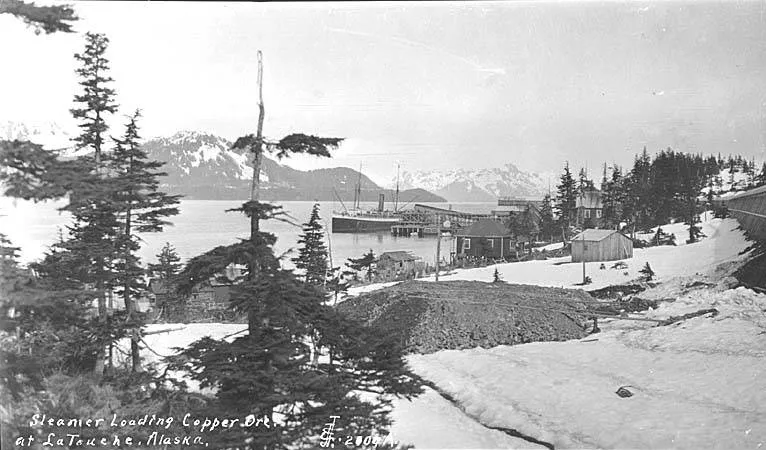
Photo: John E. Thwaites, Public domain, via Wikimedia Commons
The mail comes first. That's the rule on the Sophie C., and it's the rule on every working mailboat still plying an American lake. Passengers get the leftover benches, the leftover shade, and the leftover schedule. What they also get is the only honest tour of island life you can buy for the price of a ticket.
I climbed aboard at Weirs Beach on Lake Winnipesaukee on a gray morning in late June, coffee in one hand, a canvas tote full of nothing useful in the other. The Sophie C. has been running mail to the islands of Winnipesaukee since 1899, which makes her the oldest continuously operating mailboat in the country. She is not a museum piece. She is a boat with a job.
By 8:40 the deck was stacked with canvas hampers, a case of something from a pharmacy, and a box that rattled. A man in a Red Sox cap sorted envelopes while taking a phone call about a septic pump. Nobody was performing anything for us. That's the entire appeal.
Why the Mail Run Beats a Sightseeing Cruise
A tour boat shows you the lake. A mailboat shows you the lake's household budget. You watch a case of dairy go up a dock ramp, a birthday package get handed to a kid in bare feet, a spare part for a boat lift change hands in a paper bag. You learn which islands have year-round residents and which have summer-only camps, not because a brochure told you, but because you watched the mail get sorted into two piles.
It is also, dollar for dollar, one of the cheapest boat rides in the country. But the trade-off is real: the boat leaves when the mail is done, not when you are, and the schedule is a suggestion written in pencil.
Routes That Actually Take Passengers
A handful of operations in the U.S. hold federal mail contracts and allow paying passengers. These three are worth planning a trip around.
Lake Winnipesaukee, New Hampshire. The Sophie C. sails from Weirs Beach on a loop that touches island docks around Bear Island, Pine Island, and the smaller camps in between. Seats are limited and there is no elaborate online booking engine; call the operator directly, or stop at the ticket office the morning you want to go. Trips run seasonally, so confirm the current schedule before you build a weekend around it.
Geneva Lake, Wisconsin. The U.S. Mailboat Walworth is the showiest of the bunch: carriers leap off the stern and sprint down piers to drop letters in lakeside boxes before the boat pulls away. It's a shoreline run rather than an island circuit, and it's a ticketed tour, but the mail is real and the carrier is working. Book ahead in July and August, when it fills.
Lake Chelan, Washington. The passenger vessels running up Lake Chelan to Stehekin carry mail and freight along with people, threading a fjord-like channel to a community with no road in. It's a longer ride, roughly four hours each way depending on the run, and you'll want to check which boats take vehicles versus passengers only. Stehekin itself has a small store near the landing, and the boat is the supply line.
There are scattered other mail-carrying ferries on the Great Lakes and in the Adirondacks, but they rarely advertise it. The trick is to ask. Call the local ferry line and say the words "do you carry mail" and "can I ride along." You will occasionally get a great answer.
How to Book Without Wasting a Morning
Do not assume a website exists. Half the charm and all the frustration of these routes is that they are small operations. Call. Ask three questions: does the boat take passengers, what is the current departure time, and how early should you arrive. Then ask a fourth: what happens if the mail is light or heavy that day. The answer will tell you how much slack to build into your plans.
Bring cash. Bring a layer — lake wind at 9 a.m. is a different climate than the dock at 9 a.m. Bring water and a snack, because there is no snack bar. Bring a soft bag, not a roller suitcase, and leave the drone in the car. If you're prone to motion sickness, take something before you board; small mailboats are stable, but they are not large.
Onboard Etiquette: You're a Guest in Somebody's Commute
This is the part most passengers get wrong, and it's the part that matters.
Stay out of the landing zone. When the mate moves toward the rail with lines or a mail sack, you move the other way. This is a working deck, not a viewing platform, and a misplaced foot can cost someone a delivery window.
Ask before you photograph a dock, a house, or a person. Island residents are not exhibits, and a surprising number of them can tell you exactly which boat a photographer was on. The lake is small in ways that aren't obvious from a map.
Don't interrogate people about whether they live there year-round. If they volunteer it, great. If not, talk about the weather, the water level, or the walleye bite.
Buy something. Not out of obligation — out of sense. If the boat stops at an island with a small store or a dock stand, spend ten dollars. That's the economy the mail route holds together.
Tip the crew. They are doing a job with an audience they didn't ask for.
What You'll Actually See
Not much, if you're chasing scenery. A mailboat's route is a weld of driveways, and the driveways are the same green shoreline you'd see anywhere. But somewhere around the third stop, something shifts. You start recognizing the handwriting on the envelopes. You notice that the man in the Red Sox cap knows which dog barks at which dock. You realize the boat is the town.
That's the tour. It doesn't come with a narration, and in 2026 that's exactly why it's worth the fare.