Eat the Invaders: How Island Cooks and Conservationists Are Turning Ecological Threats Into Remarkable Meals
If you want to understand what's happening at the intersection of freshwater ecology and food culture right now, start with a bowl of Asian carp tacos on an island in the Illinois River system. They're crispy, bright with lime, and finished with a fermented chili salsa that the cook spent three weeks perfecting. They're also, depending on how you look at it, an act of ecological resistance.
Across the country's freshwater island communities — from the Great Lakes archipelagos to the river islands of the Southeast — chefs and conservation organizations are arriving at the same unlikely conclusion: if you can't beat the invaders, you might as well eat them. And it turns out, you can eat them remarkably well.
The Invasion Problem, Briefly
Invasive species in freshwater ecosystems aren't a new story, but the scale of the problem keeps growing. Asian carp (now more formally called bighead, silver, and grass carp) have reshaped river ecosystems across the Midwest, outcompeting native species for food and space. Rusty crayfish have devastated aquatic plant beds in northern lakes. Garlic mustard — a European import — crowds out native understory plants on island shorelines from Minnesota to Maine. Hydrilla chokes waterways across the South.
Conventional management approaches — netting, chemical treatment, physical removal — are expensive, labor-intensive, and only marginally effective at scale. But they do produce something: a harvest. And that harvest, it turns out, has culinary potential that was largely ignored until a generation of creative, ecology-minded cooks started paying attention.
The Carp Pioneers
The movement to put Asian carp on American menus has been gaining real momentum for about a decade, but freshwater island communities have become some of its most interesting laboratories.
On an island fishing operation near Grafton, Illinois — a small community at the confluence of the Illinois and Mississippi Rivers — commercial harvesters have partnered with regional restaurants to create a direct supply chain for silver carp. The fish, which can exceed 30 pounds and filter-feed on algae (making their flesh surprisingly clean-tasting), were long dismissed by American consumers conditioned to associate "carp" with muddy, bony river fish.
The rebranding effort has been deliberate. Some operations have started marketing the fish under the name "silverfin" — a move that's drawn comparisons to the successful renaming of Patagonian toothfish as Chilean sea bass. Whether you find that kind of marketing savvy or cynical probably depends on whether you've tasted a well-prepared carp fillet.
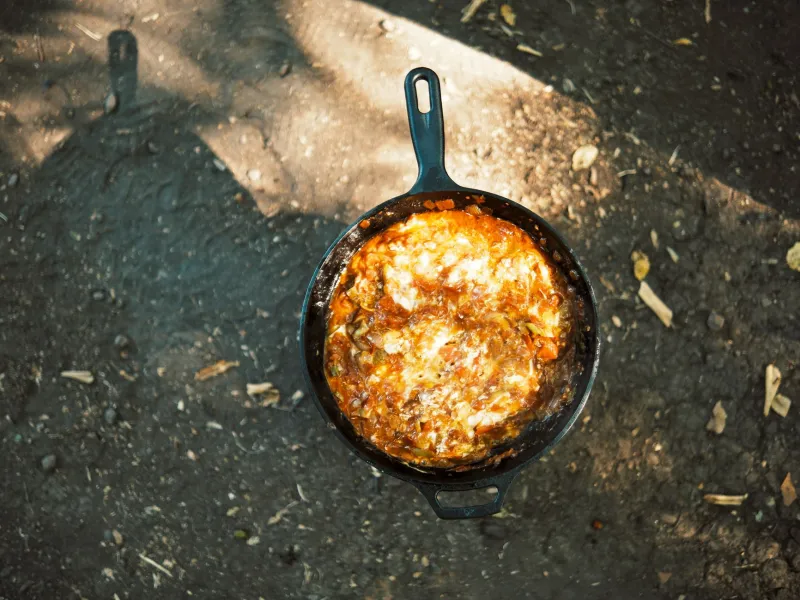
For what it's worth: done right, silver carp is mild, flaky, and takes seasoning beautifully. A preparation popular among island fishing communities involves a long soak in buttermilk, a seasoned cornmeal crust, and a hard fry in cast iron. Served with pickled ramps and a cold local beer, it's not a compromise meal. It's a genuinely good one.
Beyond Fish: The Invasive Plant Kitchen
The culinary invasion story doesn't stop at the waterline. On islands throughout the Great Lakes region and the Upper Midwest, foragers and chefs have been quietly building menus around invasive plants that are simultaneously ecological problems and underutilized ingredients.
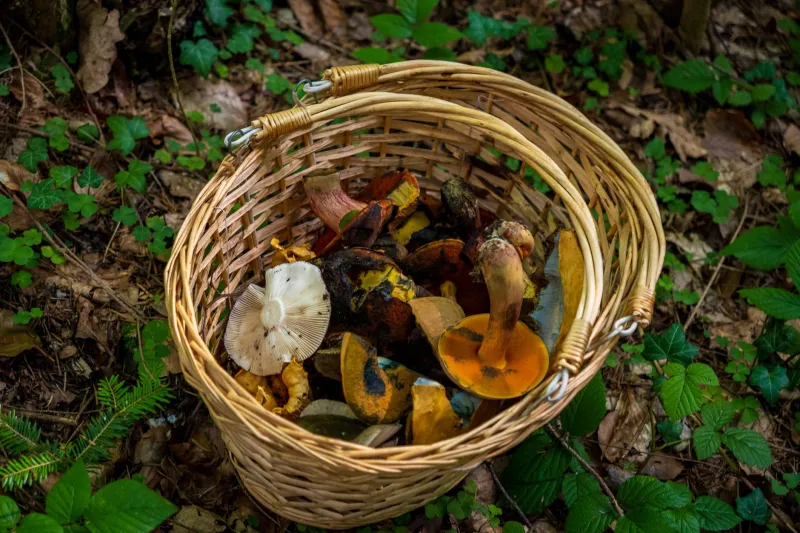
Garlic mustard — one of the most aggressive woodland invaders in the eastern US — is edible at multiple life stages and carries a sharp, peppery bite that works beautifully in pesto, chimichurri, and compound butters. Several island-adjacent restaurants in Michigan and Wisconsin have added garlic mustard preparations to their spring menus, with the explicit framing that eating the plant is a form of habitat stewardship.
Japanese knotweed, which colonizes disturbed island shorelines with alarming efficiency, has a tart, rhubarb-adjacent flavor when harvested young. Island chefs have used it in everything from shrubs and cocktail syrups to savory braises and chutneys. The Michigan-based conservation organization Midwest Invasive Species Information Network has partnered with culinary schools to develop recipes specifically designed to incentivize knotweed harvest.
Watercress — technically naturalized rather than invasive in most US contexts, but ecologically disruptive in certain freshwater systems — has found its way onto island restaurant menus as a foraged salad green, often paired with locally caught fish in a pleasing circularity.
The Conservation Math
It's worth being honest about what culinary harvesting can and cannot accomplish. Eating invasive species is not, on its own, going to eliminate them. Asian carp populations in the Illinois River system number in the millions. No amount of taco nights will make a dent in that biomass without systematic commercial harvesting infrastructure.
But that's also not really the point — or at least, not the whole point. What culinary invasive programs do accomplish is arguably more durable: they build economic incentives for ongoing management, they create community buy-in for conservation work, and they shift cultural attitudes toward species that were previously treated as pure problems.
When a restaurant on a Lake Erie island puts carp on the menu and it sells out, that's not just a dinner. That's a conversation starter, a funding mechanism, and a demonstration that ecological complexity can translate into economic opportunity.
How to Participate
If you want to engage with this movement as a traveler, the entry points are more accessible than you might think.
Look for restaurants near freshwater island destinations that specifically advertise foraged or invasive-species ingredients — the framing is usually explicit and proud. Ask your fishing guide or outfitter whether they work with any invasive harvest programs; many do, and they're often delighted to talk about it.
If you're a forager yourself, check your state's DNR guidelines on harvesting invasive plants — many states actively encourage it and some have specific programs. Just make sure you're confident in your identification before anything goes in the pan.
And if you end up with a silver carp fillet and a cast iron skillet on a river island somewhere in the middle of the country, know that you are participating in something genuinely meaningful. The meal is good. The reason for it is even better.