Ice, Silence, and Yours Alone: The Cold-Weather Case for Freshwater Island Travel
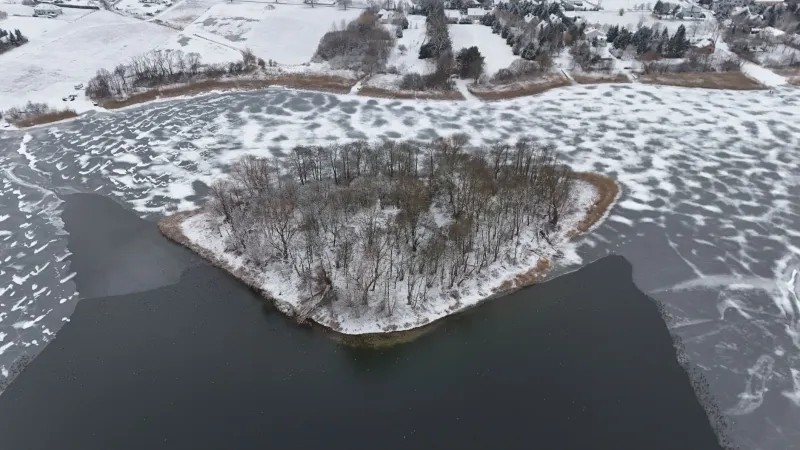
The first thing you notice is the quiet. Not the relative quiet of an uncrowded summer morning, but actual, total, almost physical silence — the kind that has weight to it. Your footsteps in the snow sound impossibly loud. The lake around you is a sheet of gray-white glass. The island ahead, stripped of its leaves, shows its real architecture for the first time: the bones of old oaks, the tangle of shoreline brush, the way the land rises sharply from the frozen waterline.
This is a freshwater island in January, and it is extraordinary.
Winter travel to inland island destinations remains one of the genuinely underexplored frontiers of American adventure travel — not because the experiences are thin, but because the cultural script around these places insists they're seasonal. They're not. They're just different. And different, in this case, means better in ways that are hard to fully convey until you've actually experienced them.
Why Winter Changes Everything
The transformation that cold weather works on freshwater island landscapes is more dramatic than most people expect. The most obvious change is access: many islands that require boat travel in summer become reachable on foot or by snowshoe when lake ice sets in, opening up destinations that are otherwise genuinely remote. The Apostle Islands in Lake Superior — a destination that draws tens of thousands of visitors in summer — become a completely different experience in winter, when ice caves form along the shoreline and the sea caves that are merely scenic in July become glittering, ice-sculpted cathedrals.
Beyond access, winter strips away the visual noise that summer brings. Deciduous trees lose their canopy, suddenly revealing landforms, rock outcroppings, and structural features of the island that were invisible in July. Photographers in particular find this revelatory — the graphic simplicity of bare branches against a pale winter sky, the way fresh snow traces the contours of the land, the reflective quality of ice at different times of day.
And then there's the wildlife. Winter concentrates animal activity in ways that summer dispersal doesn't. Tracks in snow tell stories that summer mud never quite captures — the long, loping trail of a river otter, the delicate prints of a mink working the shoreline, the evidence of a fox moving through the island's interior in the night. Bald eagles, which feed heavily on fish near open water in winter, are often more visible in January than in any other month.
The Photographer's Winter Playbook
If you photograph freshwater island landscapes, winter is non-negotiable. The light alone is worth the cold.
Low winter sun angles mean golden hour lasts significantly longer than in summer — sometimes stretching for two or more hours in the morning and again in the evening. That warm, raking light across snow-covered ice is the kind of thing you'll spend a summer trying to recreate and never quite manage. The color palette of a winter freshwater island — ice blue, iron gray, the red-orange of dormant dogwood stems, the occasional shock of open water — is genuinely unlike any other season.
A few practical notes for cold-weather photography on freshwater islands:
Battery management is your first priority. Cold kills camera batteries faster than almost anything else. Keep spares in an inside pocket against your body, and rotate them frequently. Lithium batteries handle cold significantly better than standard alkaline.
Protect your gear from condensation, not just cold. The real danger isn't the temperature outside — it's bringing cold gear into a warm space too quickly, which causes moisture to condense inside your lens and camera body. When moving from cold to warm, seal your camera in a zip-lock bag first and let it acclimate slowly.
Shoot into the light, not away from it. Winter's low sun angle makes backlit scenes — ice crystals catching the light, bare branches silhouetted against a pale sky — some of the most compelling you'll ever capture. Lean into it.
Ice adds a layer of complexity that rewards patience. The texture of lake ice changes constantly with temperature, wind, and time. Pressure ridges, frost flowers (those delicate ice crystal formations that appear on thin ice on very cold, calm mornings), and the way light refracts through clear ice are all phenomena that reward early starts and slow, deliberate exploration.
Cold-Weather Camping: The Practical Reality
Yes, you can camp on freshwater islands in winter. Yes, it requires more preparation than summer camping. No, it is not as extreme as people who haven't done it tend to imagine.
The core gear investments that make winter island camping genuinely comfortable rather than merely survivable:
A four-season tent (not a three-season tent with optimistic marketing copy, but an actual four-season shelter designed to handle snow load and wind). A sleeping bag rated at least 10-15 degrees below the coldest temperature you expect to encounter. A quality sleeping pad with an R-value of 4 or higher — ground insulation is more important than most beginners realize. And layering systems that allow you to regulate temperature actively, because you'll swing between cold (stationary) and warm (moving) multiple times throughout the day.
Water access is the logistical challenge most specific to winter island camping. Carry a reliable water filter or purification tablets, and plan for the reality that your water source may be frozen. A lightweight backpacking stove for melting snow is a smart redundancy.
On the budget side: winter visits to freshwater island destinations are almost uniformly cheaper than summer equivalents. Campsite fees are lower or waived entirely at many state and national parks. Outfitter gear rentals drop significantly. And the absence of crowds means you're never competing for the good spots.
The Honest Pitch
Winter freshwater island travel asks more of you than a summer weekend paddle trip. It demands more gear research, more physical preparation, and a genuine willingness to be cold in ways that require active management rather than passive tolerance.
What it gives back is proportional to that investment. Solitude that summer simply cannot offer. Light that photographers dream about. Wildlife encounters that crowds preclude. Landscapes in their most honest, unadorned form. And the particular satisfaction of being somewhere that most people have decided isn't worth the effort — which is, of course, exactly the kind of place worth every bit of it.