The Beautiful Advantage of Being Forgotten: Why Obscure Freshwater Islands Are the Last Real Wild Places
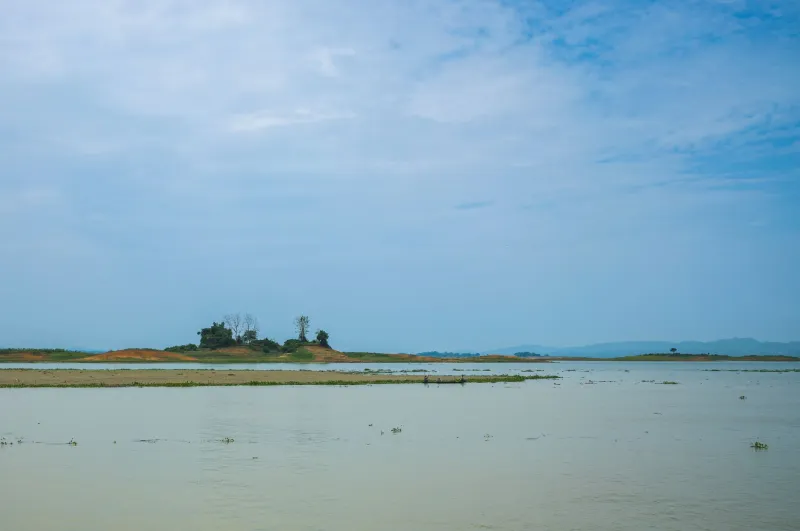
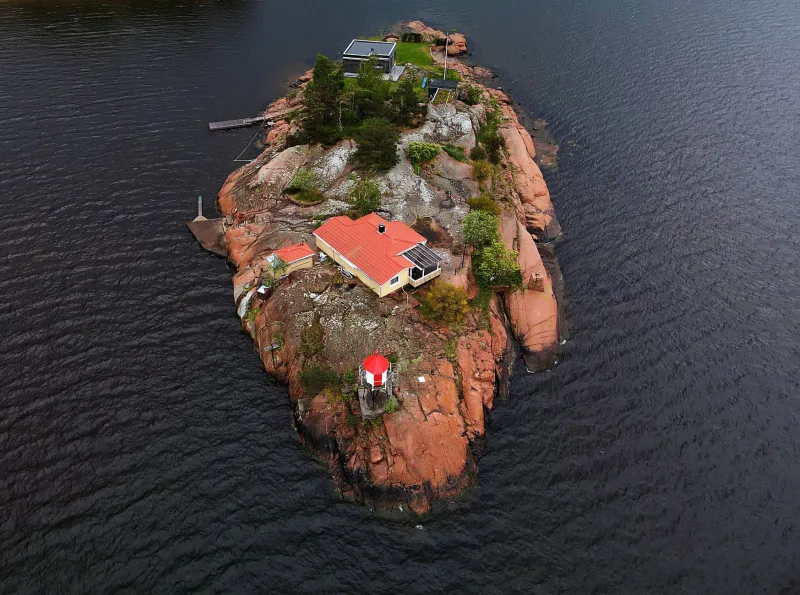
There's a small island in the middle of a Wisconsin lake that almost nobody knows exists. No hashtag claims it. No influencer has posed on its granite shoreline. The herons that nest there have never been interrupted by a ring light, and the wild rice beds along its southern edge have never been trampled by someone angling for a better shot. It is, by every modern metric of relevance, completely off the map — and it is absolutely spectacular.
This is the freshwater island paradox: the very thing that makes these inland gems feel undiscovered is precisely what has kept them worth discovering.
What Virality Actually Costs a Place
We've watched it happen in slow motion for years now. A travel blogger stumbles onto a remote beach, a turquoise lake, a hidden waterfall. The photos are stunning. The post explodes. Within eighteen months, that place has parking problems, erosion damage, and a permit system. The magic that made it photogenic in the first place starts quietly bleeding out.
Freshwater islands have largely dodged this cycle — not because they're less beautiful, but because they're harder to explain in a caption. "Remote lake island accessible only by canoe in the Upper Midwest" doesn't exactly scream algorithmically optimized content. And thank goodness for that.
The ecological stakes here are real. Freshwater ecosystems are among the most fragile on Earth. Islands within them function as concentrated refuges — nesting grounds, nurseries, and sanctuaries for species that can't tolerate human pressure. When foot traffic increases suddenly and dramatically, the ripple effects move fast: compacted soil disrupts root systems, noise pollution alters nesting behavior, and invasive species hitch rides on the boots of well-meaning visitors who didn't know to check.
Obscurity, in this context, is active conservation.
The Eco-Traveler's Honest Reckoning
Here's where it gets complicated, and where intellectual honesty matters. If you're reading this, you care about these places. You want to visit them. And that desire — even when it comes from a place of genuine reverence — is part of the pressure equation.
Eco-conscious travel has always carried this internal tension. We go because we love wild places. We love wild places partly because others haven't overrun them. Our presence, however thoughtful, is still presence.
So what's the responsible move? Avoid these islands entirely? That's not a realistic answer, and it's arguably counterproductive. Places that generate no economic value and no human constituency tend to lose political protection over time. The parks and preserves that survive long-term usually do so because people showed up, fell in love, and became advocates.
The answer isn't absence. It's intentionality.
How to Find These Places Without Blowing Their Cover
The good news is that the strategies for finding under-the-radar freshwater islands are also, conveniently, the strategies least likely to accelerate their decline.
Talk to locals, not algorithms. The best freshwater islands aren't on listicles. They're in the institutional memory of bait shop owners, retired park rangers, and the kind of librarian who keeps a hand-drawn map in a filing cabinet. These conversations take longer than a Google search, but they yield better information — and they build the kind of community relationship that responsible visitation requires.
Use public land records and water trail maps. Many state DNR offices and the U.S. Army Corps of Engineers maintain publicly accessible records of island ownership and access points. Water trail systems — particularly those managed by paddling advocacy groups — often identify islands with established, low-impact access routes. These aren't secrets exactly, but they're not trending either.
Travel in the off-season. A freshwater island in November is a fundamentally different experience than the same island in July — quieter, rawer, and often more honest about what the place actually is. Shoulder-season visits distribute impact more evenly and let ecosystems recover between visits.
Adopt a strict no-post policy for specific locations. This one stings a little, because the photos you'll take on a pristine, unhyped freshwater island will be some of the best of your life. But consider sharing the experience without the coordinates. Post the heron, not the GPS pin. Describe the feeling without writing the directions.
The Deeper Argument for Letting Some Places Stay Unknown
There's a philosophical dimension to this that's worth sitting with. We've built a travel culture that equates visibility with value — if it isn't documented, did it even happen? But that framework serves platforms, not places.
The freshwater islands that have remained ecologically intact into the 2020s have done so in large part because they never got famous. Their grasses grew undisturbed. Their fish populations stabilized without pressure. Their soil held together. That's not nothing. That's actually everything.
As eco-conscious travelers, we have an opportunity — and arguably a responsibility — to reframe what we consider a successful trip. A successful visit to a freshwater island isn't one that generated content. It's one where you left the place genuinely indistinguishable from how you found it, where the wildlife carried on as if you'd never been there, and where you came home carrying the weight of having witnessed something real.
The places that don't trend are increasingly the places that still have something to offer. In a landscape of overshared destinations and algorithmically curated experiences, that kind of authenticity is the rarest resource of all.
Protect it accordingly.