How to Photograph Freshwater Islands Like You Actually Live There
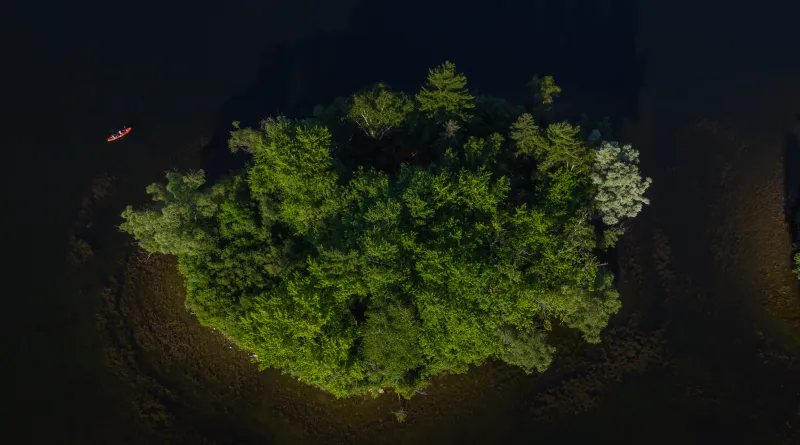
There's a particular quality of light that exists only on freshwater islands, and once you've seen it, you'll spend the rest of your photographic life chasing it.
It's not the dramatic, salt-haze gold of ocean coastlines. It's quieter than that — softer and more complex, filtered through the specific chemistry of fresh water, bounced off limestone and granite and ancient cedar. It changes by the hour, by the season, by the direction of the wind. And because freshwater island destinations tend to be far less photographed than their coastal counterparts, the images you bring home have a genuine chance of being something people haven't seen before.
That's the opportunity. Here's how to make the most of it.
Understanding Freshwater Light (It's Different, and That's the Point)
Photographers who come to freshwater islands expecting coastal light are often initially disappointed. The colors are less saturated at golden hour. The reflections are different — fresher, somehow, without the mineral weight of salt water. The fog behaves differently in the mornings.
But spend a few days actually paying attention, and you'll start to see what makes inland water light extraordinary rather than merely different.
"Freshwater has a clarity that salt water doesn't," says Tomás Reyes, an adventure photographer based in Duluth, Minnesota, who has spent the better part of a decade shooting the Apostle Islands and Lake Superior's northern shore. "When the light hits a freshwater lake at the right angle — especially early morning, when there's no wind — you get these reflections that are almost hallucinatory in their precision. The island just... doubles itself. And the color palette is so much more subtle than ocean photography. You have to train your eye to see it."
Reyes shoots primarily in the blue hour — the 20-30 minutes before sunrise and after sunset when the sky is lit but the sun itself isn't in frame. On freshwater, he says, this window produces colors that simply don't exist at ocean destinations: cool lavenders, deep teals, and a particular shade of gray-green that he describes as "the color of old glass."
Practical tip: Set your alarm for 45 minutes before sunrise. Get to your shooting location before the light arrives. The transition from darkness to blue hour to golden hour on a freshwater island happens fast, and the best moments are often gone in under ten minutes.
Seasonal Shooting: A Month-by-Month Breakdown
Freshwater islands don't have an off-season for photography — they have different seasons, each with its own visual logic. Here's how to think about timing your visit around your photographic goals.
Late May – June: The Green Explosion Spring comes late to the Great Lakes, and when it arrives, it arrives with intensity. Fiddlehead ferns unfurl along shorelines. Wildflowers carpet forest floors that were under snow six weeks earlier. Migratory birds are passing through in huge numbers — warblers, shorebirds, waterfowl — and they're vocal and active in ways they won't be later in the season. The light is long and clear, and the water is still cold enough to produce dramatic morning mist.
For wildlife photography, this is arguably the best window of the year. Nesting activity means concentrated animal behavior. Bring a long telephoto and a lot of patience.
July – August: The High-Summer Challenge Midday summer light on a freshwater island is flat and harsh — the same problem photographers face everywhere in summer. The solution is to work the edges of the day and use the midday hours for scouting, swimming, or talking to locals about locations you haven't found yet.
Summer does offer one thing no other season can match: thunderstorm light. Great Lakes storms build fast and dramatically, and the light in the 20 minutes before a summer storm hits a freshwater island is unlike anything else in nature photography. Dramatic, directional, deeply saturated. Worth getting wet for.
September – October: The Peak Season for Serious Photographers Fall color on a freshwater island is the obvious draw, and it delivers. But the less-discussed advantage of autumn shooting is the quality of the light itself — lower angle, warmer tone, longer golden hours. Combined with fall foliage reflected in glassy lake water, you have conditions that require almost no technical skill to produce beautiful images.
September also brings clearer skies than summer and significantly thinner crowds, which matters enormously for compositions that don't include other tourists.
November – March: The Ice Season This one isn't for everyone. Getting to a remote freshwater island in winter requires planning, cold-weather gear, and a genuine comfort with isolation. But the rewards are extraordinary. Ice formations on the Apostle Islands sea caves (when Lake Superior freezes sufficiently) are among the most visually stunning natural phenomena in the continental United States. Frost-covered cedar trees at sunrise. Wolf tracks in fresh snow on Isle Royale. The particular blue of ice on a gray February morning.
"Winter island photography is where I've made my best images," says Kira Okonkwo, a Minneapolis-based photographer who specializes in cold-weather wilderness work. "The landscape is stripped down to its essentials. There's no visual noise. And there's almost nobody else there, which means you're making images that feel genuinely discovered rather than documented."
Gear for Island Environments: What Actually Matters
A freshwater island environment creates specific gear challenges that are worth thinking through before you pack.
Moisture is your enemy. Humidity, spray from waves, morning dew, unexpected rain — island environments are persistently damp. Weather-sealed camera bodies are worth the investment. Carry silica gel packets in your bag. Dry your gear thoroughly every evening before it sits overnight.
Weight and portability matter more than they do in other contexts. If you're reaching your shooting location by kayak, canoe, or hiking trail, every pound counts. A lighter mirrorless system will serve you better on most island trips than a heavy DSLR kit, even if the image quality ceiling is theoretically lower.
A polarizing filter is non-negotiable for water photography. A circular polarizer cuts surface glare on water, dramatically increases color saturation in lake reflections, and makes underwater detail visible in shallow areas. It's the single most impactful optical accessory for freshwater island work.
Bring more memory cards and batteries than you think you need. Remote island destinations often lack reliable charging infrastructure. Cold temperatures (especially in shoulder seasons) drain batteries faster than the spec sheet suggests. Running out of storage during a once-in-a-lifetime light event is a specific kind of heartbreak.
Composition Principles That Work Specifically on Freshwater Islands
A few approaches that experienced inland water photographers come back to again and again:
Use the water as a mirror, not just a foreground. When conditions are calm, freshwater lakes produce reflections of extraordinary precision. Build compositions that treat the reflection as an equal partner to the subject above the waterline — not just a pretty foreground element.
Get low. Shooting from water level — whether from a kayak, a rock at the shoreline, or by simply lying down — transforms the visual relationship between the water surface and the sky. It's a perspective that most visitors never try, which means it immediately makes your images feel different.
Include human scale only when it adds meaning. A canoe in the middle distance of a vast lake composition communicates scale and solitude simultaneously. A group of tourists in bright rain jackets does neither. Be selective about when and how people appear in your frame.
Let the fog do the work. Morning fog on a freshwater island simplifies compositions beautifully — it removes busy backgrounds, creates natural vignetting, and gives images a meditative quality that's very difficult to achieve in clear conditions. If you wake up to fog, go shoot immediately. It burns off faster than you expect.
A Word About Ethics
Island ecosystems are fragile, and photographers — who often push further off-trail and closer to wildlife than other visitors — have a particular responsibility to tread carefully.
Don't approach nesting birds for frame-filling shots. Don't trample vegetation to reach a better vantage point. Don't use drones in areas where they're prohibited (which includes most National Park wilderness areas). And don't share precise GPS coordinates of sensitive locations — rare orchid populations, active eagle nests, secluded swimming holes — on social media. The internet is very good at turning "secret spots" into crowded ones.
The best freshwater island images are made by photographers who understood the ecosystem well enough to work within it rather than around it. That understanding takes time, patience, and a genuine willingness to let the place set the terms.
The light will come. Be ready for it.