Island in a Bubble: How Freshwater Islands Brew Their Own Wild Weather
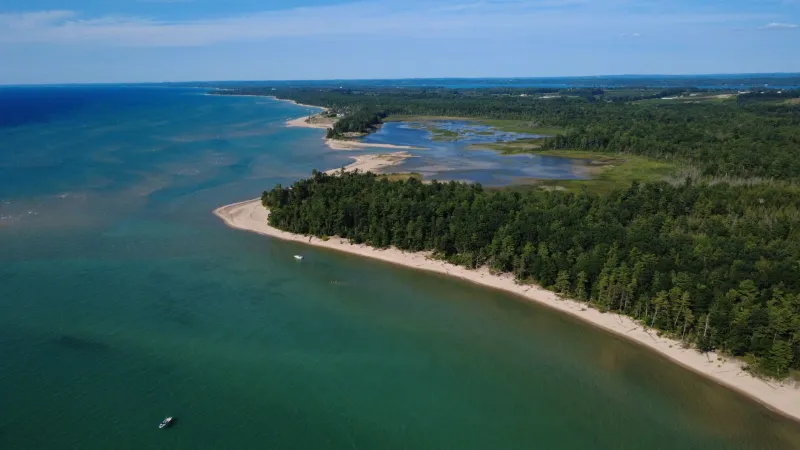
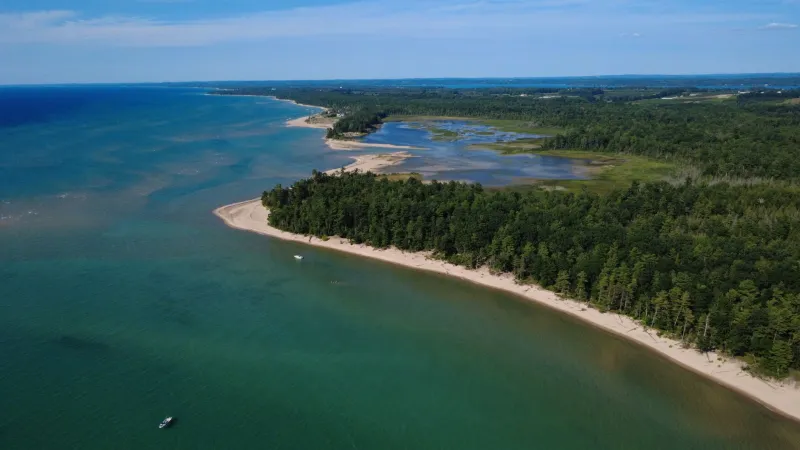
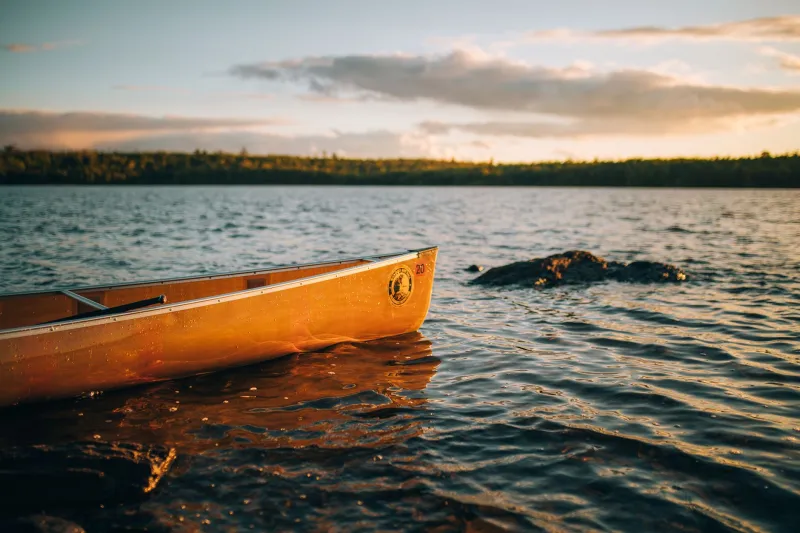
You've probably felt it before without having a name for it. You're paddling across a lake toward a small wooded island, the mainland baking behind you in late-summer heat, and then — the moment you step ashore — the air shifts. It's cooler, damper, almost electric. The trees are taller and denser than anything on the nearby shore. Wildflowers you haven't seen anywhere else on this trip are blooming along the bank. Something is different here.
That "something" has a name: a microclimate. And on freshwater islands, these hyper-local weather systems are some of the most fascinating — and least talked about — forces shaping the natural world.
What Even Is a Microclimate?
A microclimate is a localized atmospheric zone where temperature, humidity, wind patterns, and precipitation differ meaningfully from the surrounding region. Cities create them (ever notice how downtown feels hotter than the suburbs on a summer evening?). South-facing hillsides create them. And freshwater islands? They create some of the most dramatic and biologically consequential ones you'll find anywhere in the continental US.
The key driver is water. Specifically, it's the thermal mass of the lake or river surrounding the island. Water heats up and cools down far more slowly than land. That means a freshwater island is constantly being moderated — warmed in fall when the surrounding water retains summer heat, cooled in spring when that same water is still shaking off winter. The result is a kind of climate buffer zone, a place that exists slightly out of sync with the mainland calendar.
"Freshwater islands are thermally insulated in a way that most people just don't expect," says Dr. Carla Mendes, a freshwater ecologist based in the Great Lakes region who has spent over a decade studying island ecosystems. "The water acts like a flywheel. It resists rapid temperature change, and that resistance radiates outward onto the island itself."
The Fog, the Frost, and the Freak Blooms
One of the most visible signs of island microclimates is fog — and lots of it. When warm air from the island's vegetation-covered interior meets the cooler, moisture-saturated air rolling off the surrounding water, you get persistent morning fog banks that can last well into mid-morning. Photographers love this. Hikers find it haunting in the best possible way. Ecologically, it's a critical source of moisture for plant species that have adapted specifically to these conditions.
Frost patterns on freshwater islands are equally strange and wonderful. Because the surrounding water moderates overnight temperatures, hard killing frosts often arrive weeks later on islands than on the nearby mainland. This creates extended growing seasons that support plant communities you simply wouldn't expect at a given latitude. Orchid species, ferns, and certain mosses thrive on Great Lakes islands partly because they get a few extra frost-free weeks each year.
Dr. Mendes points to Beaver Island in northern Lake Michigan as a textbook case. "The island consistently runs three to five degrees warmer in late fall than the mainland town of Charlevoix, which is only about 30 miles away. That difference sounds small, but for plant communities and migratory species, it's enormous."
Wind, Water, and the Island Wind Shadow
Water also reshapes how wind behaves around islands. Open-water fetch — the unobstructed distance wind travels across a lake before hitting land — means islands often receive stronger, more consistent breezes than mainland shores. But here's where it gets interesting: the island itself creates a wind shadow on its leeward side, a zone of relative calm that can differ by 10 to 15 miles per hour from the windward shore.
This creates two almost entirely different ecological environments on opposite sides of the same small piece of land. Windward shores tend to be scraggly, wind-pruned, and colonized by hardy, low-growing species. Step around to the sheltered leeward side and you might find lush, tall-canopy forest with a completely different understory. For travelers, this means the side of the island you camp on genuinely matters — both for comfort and for what you'll observe in terms of wildlife and plant life.
Migration Stopovers and the Microclimate Magnet Effect
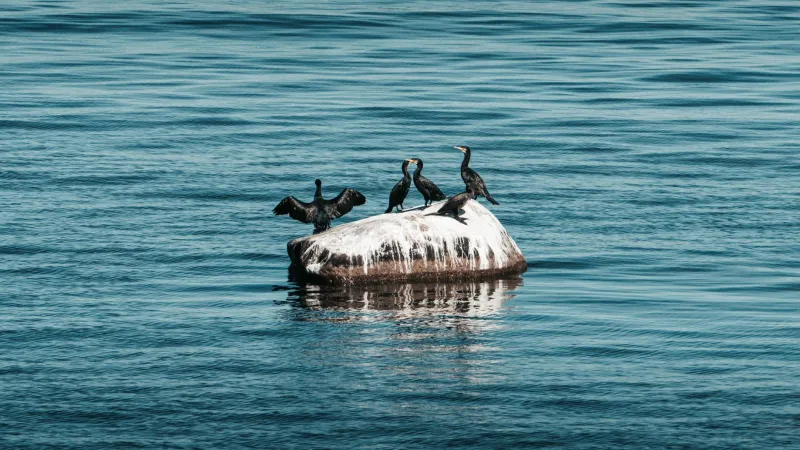
Birders and wildlife watchers have long known what scientists are now quantifying: freshwater islands punch way above their weight as migration stopovers. The microclimate plays a direct role in this. Warmer-than-expected temperatures, abundant insect life supported by the extended growing season, and the simple geography of being an isolated green refuge in the middle of open water make these islands irresistible rest stops for exhausted migrants.
During spring and fall migration, small freshwater islands in the Great Lakes and along major river systems can host concentrations of warblers, vireos, and thrushes that rival anything you'd see at famous coastal hotspots. The microclimate keeps insect populations active longer into the fall, giving late-season migrants a reliable fuel stop. Islands in western Lake Erie — places like South Bass and Kelleys Island in Ohio — are legendary among Midwest birders precisely because of this effect.
"The island doesn't just attract migrants," says Mendes. "It holds them. The conditions are favorable enough that birds will linger for days rather than moving on immediately. That's the microclimate at work."
What This Means for You as a Traveler
Understanding island microclimates isn't just nerdy science trivia — it's genuinely useful trip-planning intelligence. A few practical takeaways:
Pack layers regardless of the forecast. Mainland weather apps are notoriously unreliable for freshwater islands. The thermal buffering effect means islands can be noticeably warmer or cooler than predicted, and the fog-to-sunshine swing can happen fast.
Time your visit strategically. If you want to catch peak wildflower displays, visit islands two to three weeks after mainland bloom peaks — the delayed frost pattern often pushes flowering later. Fall foliage can similarly lag behind, giving island visitors a second chance at peak color after the mainland show is over.
Explore both sides of the island. Windward and leeward shores are ecologically distinct. Budget time to walk the full perimeter rather than just the most accessible trail.
Come at dawn. The morning fog on a freshwater island is one of the most atmospheric experiences in inland travel. Bring a camera. Bring coffee. Slow down.
The Bigger Picture
There's something genuinely humbling about standing on a small freshwater island and realizing that the ground beneath your feet, the trees above your head, and the weather wrapping around you are all part of an intricate feedback loop — lake moderating land, land shaping wind, wind carrying moisture back to the water. These aren't just pretty places to visit. They're living laboratories, running quiet experiments in ecology that scientists are still working to fully understand.
As climate change reshapes temperature and precipitation patterns across the US, freshwater island microclimates are becoming increasingly important as refugia — places where the buffering effect of surrounding water may protect certain species and plant communities longer than mainland habitats can. Visiting these islands with that context in mind transforms a weekend paddle trip into something closer to a pilgrimage.
The water remembers things the land has already forgotten. On a freshwater island, you get to stand at the intersection of both.