Spores, Shores, and Secrets: The Case for Mushroom Hunting on Freshwater Islands
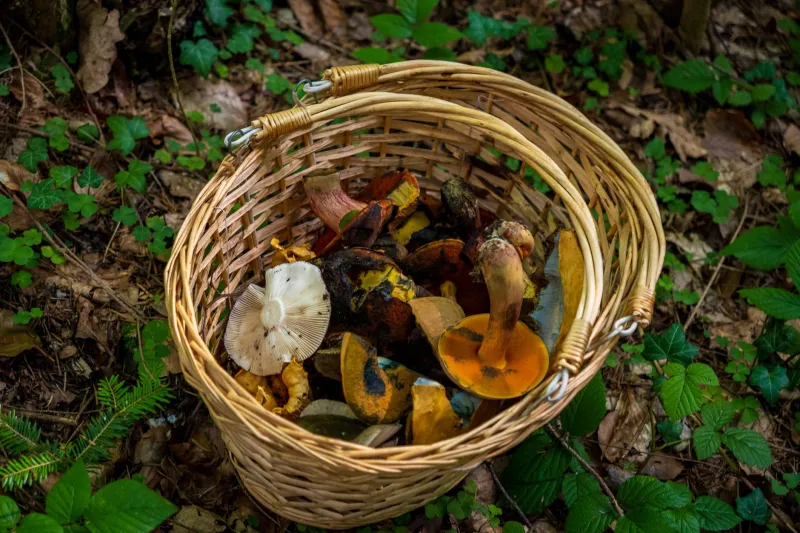
There's a moment every mushroom hunter knows — that pause before you crouch down, the second when you're not quite sure if what you're seeing is real or just wishful thinking. Now imagine that moment happening on an island surrounded by a glassy inland lake, morning fog still clinging to the tree line, no cell signal, no crowds. Just you, the forest floor, and something orange and spectacular pushing through the leaf litter.
That's the pitch for freshwater island mycology, and honestly, it doesn't need much more than that.
But there's real science behind why these places produce such remarkable fungal diversity, and a growing community of foragers who plan entire trips around peak seasons on specific islands. This isn't a fringe hobby anymore — it's an adventure with a payoff you can literally eat for dinner.
Why Freshwater Islands Are Fungal Gold Mines
Mushrooms are, at their core, moisture-dependent organisms. The mycelium networks running beneath the soil need consistent humidity to fruit, and freshwater islands deliver that in a way mainland forests often can't. Water surrounds the land on all sides, creating a microclimate where humidity stays elevated even during dry stretches. Morning dew lingers longer. Soil retains moisture deeper into the season.
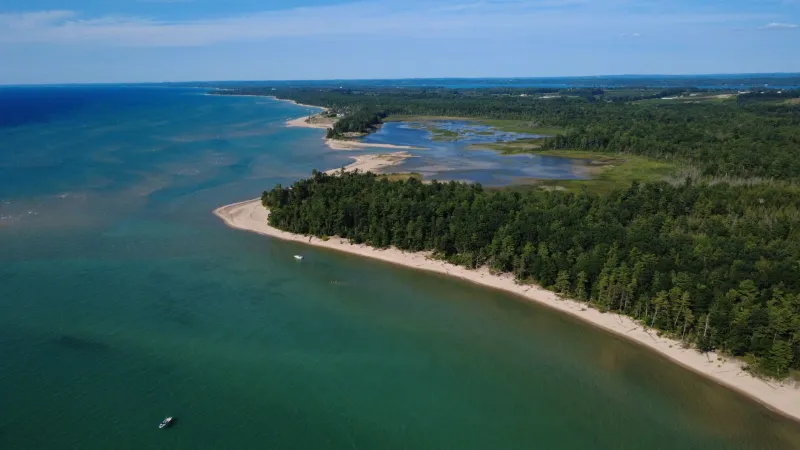
Combine that with the isolation factor. Many freshwater islands — particularly in the Great Lakes, the Boundary Waters region, and the river island chains of the Mississippi and Ohio — have seen minimal human disturbance for decades. Old-growth trees, decomposing wood in various stages, undisturbed leaf duff: these are the building blocks of rich fungal habitat. The mycelium networks on some of these islands have had generations to establish themselves without being disrupted by development, heavy foot traffic, or agricultural runoff.
"The isolation is the whole thing," says Renata Okafor, a mycologist and forager based in northern Michigan who leads seasonal mushroom expeditions to several Lake Huron islands. "On the mainland, you're competing with every other forager who read the same Reddit thread. On an island, you're often the only person who made the effort to get there. The mushrooms are just waiting."
What You Might Actually Find Out There
The species list varies by region, but a few standouts keep coming up in conversations with island foragers.
Hen of the Woods (Maitake) — Found at the base of old oaks, this is a late-season prize that thrives in the undisturbed hardwood forests common to Great Lakes islands. Experienced hunters have pulled specimens weighing over 20 pounds from island forests where the oaks have been left alone for a century or more.
Chicken of the Woods — Bright orange and unmistakable, this shelf fungus loves dead and dying trees, which freshwater islands have in abundance thanks to storm damage and natural die-off. It's also one of the safer species for beginners since there's really nothing that looks quite like it.
Chanterelles — The golden chanterelle is practically a mascot for the Pacific Northwest foraging scene, but Midwest island hunters will tell you the chanterelles coming out of the upper Great Lakes islands are every bit as good. They fruit in summer and early fall, often in mossy, mixed forest areas close to the water's edge.
Morels — Spring morel season draws the most dedicated island hunters. The combination of decaying elm trees, warming soil temperatures, and the moisture buffer provided by surrounding water can produce morel flushes that mainland hunters dream about.
The Logistics (Which Are Half the Fun)
Getting to a freshwater island for a foraging trip requires a bit more planning than driving to a state forest trailhead, and that's kind of the point. You're earning the experience.
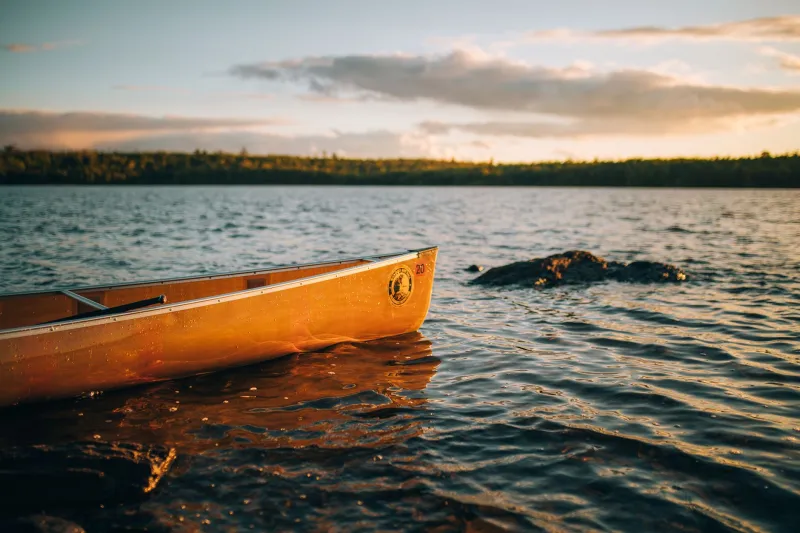
Most serious island foragers use canoes or kayaks for smaller island chains, which also lets them scout multiple islands in a single trip. For larger islands with established ferry service — like some of the Apostle Islands in Lake Superior or the islands in Lake Erie accessible from Ohio and Pennsylvania — you can bring gear for multi-day camps and cover serious ground on foot.
Peak timing matters enormously. Morel hunters are targeting May and early June in the upper Midwest. Chanterelles and hen of the woods push into September and October. Check with local mycological societies (most major Midwest cities have active clubs) before planning a trip — they often have current fruiting reports and can point you toward islands with known populations.
Permits and regulations vary. The Apostle Islands National Lakeshore, for example, allows personal use foraging but has limits on quantity. Always verify rules with the managing agency before you go, whether that's the National Park Service, a state DNR, or a tribal authority.
Going Safe: The Non-Negotiable Rules
Freshwater island foraging adds a layer of risk management that mainland hunters don't always have to think about. You're remote. Help is not close. That changes the calculus.
First: never eat anything you're not completely certain about. This sounds obvious, but the isolation of island foraging means a misidentification can become a serious medical emergency fast. Bring a field guide specific to your region — David Arora's Mushrooms Demystified is the classic, but regional guides like Midwest Foraging by Lisa Rose are more targeted and practical for this part of the country.
Second: go with someone who knows what they're doing, at least the first few times. Local mycological societies often run organized forays, and some experienced foragers like Okafor lead small group island expeditions. The investment in a guided trip early on pays dividends in confidence and safety for years afterward.
Third: tell someone where you're going. On an island, this is more critical than usual. Leave a float plan with a contact on shore, including which island, which landing, and when you expect to be back.
Finally, pack a basic first aid kit and know the symptoms of mushroom poisoning. If something goes wrong, you want to be moving toward help — not waiting for it to find you.
The Forager's Mindset Fits Island Life Perfectly
There's something philosophically aligned about mushroom hunting and freshwater island travel. Both require patience. Both reward careful observation over speed. Both ask you to slow down enough to notice things most people walk right past.
Foragers talk about "mushroom eyes" — the way your perception shifts after enough time in the woods, when you start seeing the forest as a network of relationships rather than just a collection of trees. Freshwater islands have a way of doing the same thing to travelers who spend real time on them. The water boundary sharpens your attention. You notice the light differently. You listen more.
Bringing a foraging practice to that environment just deepens the whole thing. You leave an island mushroom trip with a cooler full of chanterelles, sure. But you also leave with a different relationship to the place — one that goes a few inches below the surface.
That's worth paddling out for.