Sweat Equity on the Shoreline: Volunteer Vacations That Keep Freshwater Islands Wild
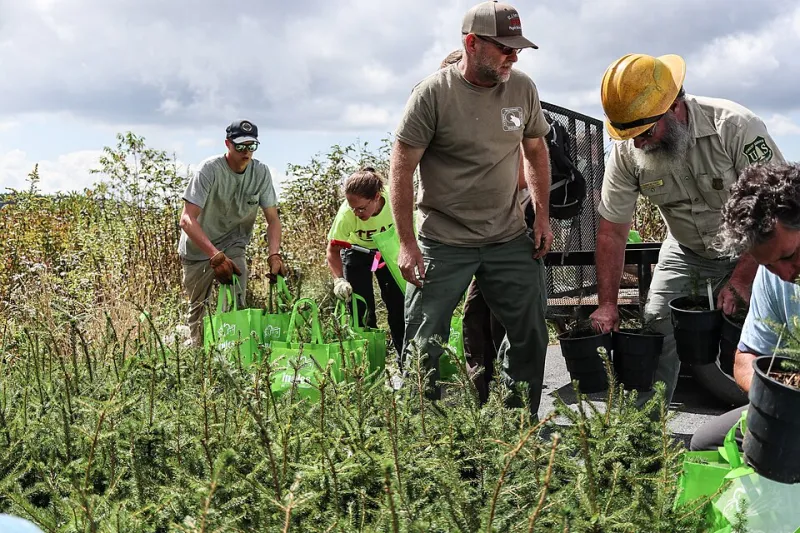
Photo: USFWS/Southeast, Public domain, via Wikimedia Commons
The brochure does not mention the mud. It rarely does. But if you sign up for a volunteer week on a freshwater island, you should expect mud, bug bites, a sore back, and at least one moment when you wonder why you paid money to work. Then you will look at the trail you just cleared, or the patch of invasive buckthorn you just yanked, and you will understand the transaction. You are not buying a vacation. You are buying a few days of honest labor in a place that needs it.
What a Stewardship Week Actually Looks Like
Island volunteer trips are not all the same. Some are weeklong work sessions with bunkhouse lodging and communal meals. Others are weekend projects, day trips, or one-off cleanups. You might clear brush, rebuild a campsite, remove invasive plants, survey birds, collect water samples, or help maintain historic structures. The work is usually physical, but not always heroic. A lot of it is repetitive—lopping, digging, hauling, recording.
A typical day starts with a safety talk and a plan. You will learn why a particular plant is a problem, where a trail is eroding, or how to count birds without disturbing them. Then you work. Then you eat. Then you maybe swim, because you are on an island and you have earned it. Evenings are quiet. Phones lose signal. People play cards.
These trips are not for everyone. Some require tent camping, long ferry rides, and a decent level of fitness. Others are more accessible, with cabins and shorter workdays. Costs vary widely—some programs charge a fee that covers food and lodging; others ask for a donation or a membership. What matters is that the organization has a real conservation plan, a safety protocol, and a clear answer to the question: who benefits?
Where to Put In Your 2026 Volunteer Hours
Apostle Islands National Lakeshore, Wisconsin. The National Park Service volunteer program here recruits for trail work, campsite rehabilitation, and cultural landscape projects across the islands. Friends groups and partner organizations sometimes run longer stewardship sessions. You will need to plan around ferry schedules and weather, but the payoff is working in a place that feels like a freshwater archipelago from another century.
Isle Royale National Park, Michigan. This is the deep end of island volunteering: a roadless national park in Lake Superior, reached by ferry or seaplane, with trail crews and resource monitoring projects. The park lists volunteer opportunities through NPS channels, and some positions require a full week or more. It is remote, wet, and unforgettable. Bring layers and a willingness to listen.
Beaver Island, Michigan. This Lake Michigan island has a mix of public lands, conservancy preserves, and a small year-round community. Local groups and state wildlife areas periodically host workdays for invasive plant removal, trail brushing, and bird surveys. Check with the Beaver Island Association, Little Traverse Conservancy, and Michigan Department of Natural Resources for current opportunities. The vibe is low-key and local, which is exactly the point.
Upper Mississippi River. Living Lands & Waters runs river cleanups and island restoration projects in the Mississippi River corridor. Some are one-day events; others are multi-day. You will get dirty, you will learn about river hydrology, and you will see how much trash ends up on a sandbar that looks pristine from a distance. It is a good entry point if you are not ready for a full island work week.
The Ethics of Volunteer Travel
Volunteer vacations can be a force for good, but they can also be a way for tourists to feel virtuous while local workers go unpaid. Ask hard questions before you sign up. Does the program hire local staff? Does it have a conservation plan with measurable goals? Does it provide training, safety gear, and adequate food and housing? Does it respect tribal sovereignty and local rules? Does it treat volunteers as extra hands, not as cheap replacements for paid labor?
On freshwater islands, those questions matter even more. Island communities are small, seasonal, and often overlooked. A volunteer group that shows up without context can do damage—trampling fragile ground, disturbing nesting areas, or treating a working shoreline as a playground. The best programs will tell you what not to do as clearly as what to do.
Pack for Mud, Not for Likes
Bring broken-in boots, work gloves, long pants, layers, rain gear, a hat, sunscreen, bug protection, and a refillable water bottle. Leave the new white sneakers at home. A small daypack is useful for tools and lunch. If you are camping, bring a tent that can handle wind and rain. If you are in a bunkhouse, bring earplugs and a headlamp with a red-light setting.
Prepare for the mental part, too. Volunteer work can be boring, hot, and repetitive. It can also be deeply satisfying. The measure of a good trip is not how many photos you got. It is whether the trail is still clear next season, whether the native plants have a little more room, and whether the people who live there are glad you came.
The Trip That Leaves More Than It Takes
We are used to measuring travel by what we collect: stamps, sunsets, miles. Island stewardship vacations ask for a different ledger. What did you leave behind? A repaired boardwalk. A pulled weed. A data point. A few less pieces of plastic on a sandbar. A day of company for a place that does not get many workers.
That is not a small thing. It is, in fact, the whole point of freshwater island travel at its best. Go for the water. Stay for the work. Come home muddy, tired, and a little more useful than when you left.