Eating Local at the Edge of the Water: How Freshwater Island Chefs Are Changing the Way America Dines
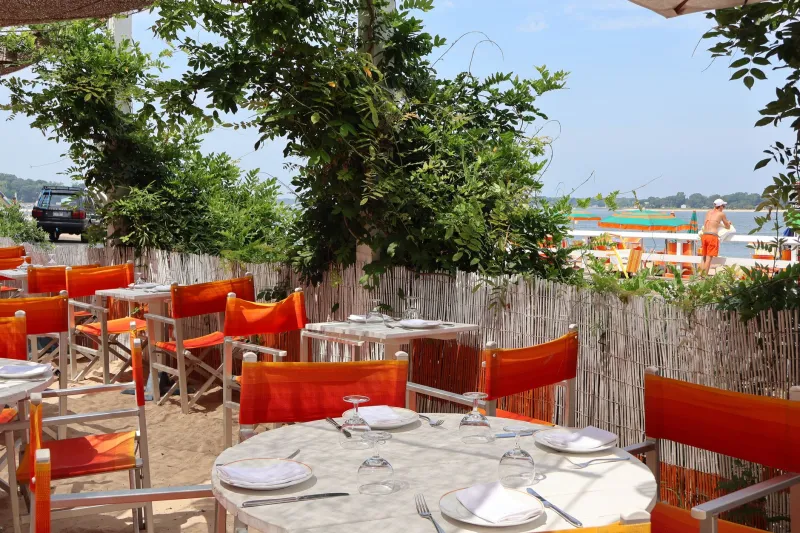
There's something about being surrounded by water that sharpens your appetite. Maybe it's the clean air rolling off the lake, or maybe it's the quiet that settles over an island at dusk. Whatever it is, the chefs cooking on America's freshwater islands seem to feel it too — and they're channeling it into some of the most exciting, intentional food you can find anywhere in the country right now.
This isn't fine dining for the sake of a Michelin star. It's something more grounded than that. It's a plate of walleye caught that morning, served with roasted beets pulled from a half-acre farm plot carved out of island soil. It's a bowl of wild rice harvested by hand from the shallows of a Minnesota lake. It's chefs who know their farmers by first name because, well, they live on the same island.
Why Freshwater Islands Are Becoming Culinary Hotspots
For a long time, island dining meant one of two things: either you packed everything in yourself, or you settled for whatever the one general store had on the shelf. That's still true on plenty of remote islands, and honestly, there's a charm to a good camp stove meal with a lake view. But something has shifted in the last decade.
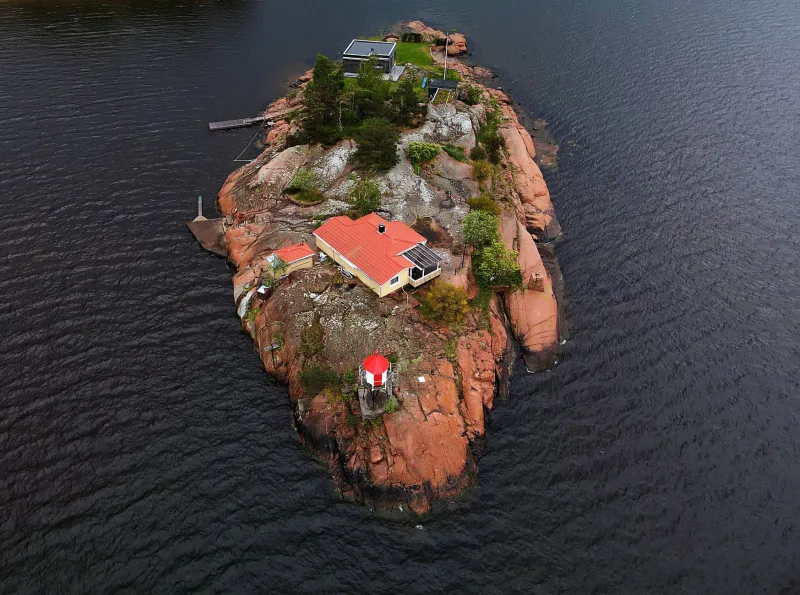
As eco-tourism has grown and more travelers have started seeking out freshwater destinations — the Great Lakes archipelagos, the Apostle Islands, Lake of the Woods, the Thousand Islands straddling the US-Canada border — a small but passionate cohort of restaurateurs and food producers has followed. They're not just setting up shop to feed tourists. They're building something that reflects the land and water around them.
"The island forces you to think differently about supply chains," says Marcus Telford, who runs a small restaurant on an island in Lake Superior accessible only by ferry. "You can't just call a distributor and have a truck show up the next morning. So you get really creative, really fast, about what's already here."
What's already there, it turns out, is a lot.
From the Water to the Table
Freshwater fish are the obvious starting point. Lake trout, yellow perch, whitefish, bass, and walleye form the backbone of many island menus, and chefs are finding ways to honor these fish that go well beyond the classic fish fry — though a properly done fish fry on a Great Lakes island is genuinely not something to skip.
Sustainable aquaculture is starting to play a role too. A handful of island communities have partnered with small-scale fish farms that raise species like yellow perch in contained, low-impact systems. The goal isn't to replace wild-caught fish but to supplement it in ways that take pressure off natural populations. For chefs, it also means more consistency and the ability to build relationships with producers who share their values.
Beyond fish, freshwater island terroir — yes, that word applies here — produces some genuinely distinctive ingredients. Island soils, shaped by glacial history and surrounded by the moderating influence of large bodies of water, can support growing seasons that surprise people. Chefs on Lake Michigan islands have been coaxing out cold-climate produce like kohlrabi, kale, and heritage grain varieties that thrive in the cool, moist conditions.
The Farmers Making It Possible
You can't talk about island food without talking about the people growing it. On many freshwater islands, farming is a deeply communal act — partly out of necessity, partly out of shared values.
Joanna Reyes started a small farm on an island in the Apostle Islands region of Wisconsin six years ago, initially just to supply her own household. Word got around. Now she supplies two island eateries and runs a seasonal farm stand that's become a social hub for both residents and visitors.
"People come for the vegetables, but they stay to talk," she says. "That's the thing about island life — there's no separation between the food system and the community. They're the same thing."
Reyes grows a rotating mix of vegetables with an emphasis on varieties that store well — crucial when ferry schedules and lake weather can disrupt supply lines. She's also experimenting with perennial crops that require less soil disturbance, a nod to the conservation ethic that runs through most freshwater island communities.
Wild Ingredients and Indigenous Food Traditions
Any honest conversation about freshwater island cuisine has to include Indigenous food traditions, which predate European settlement by thousands of years and remain a living, evolving part of the culinary landscape.
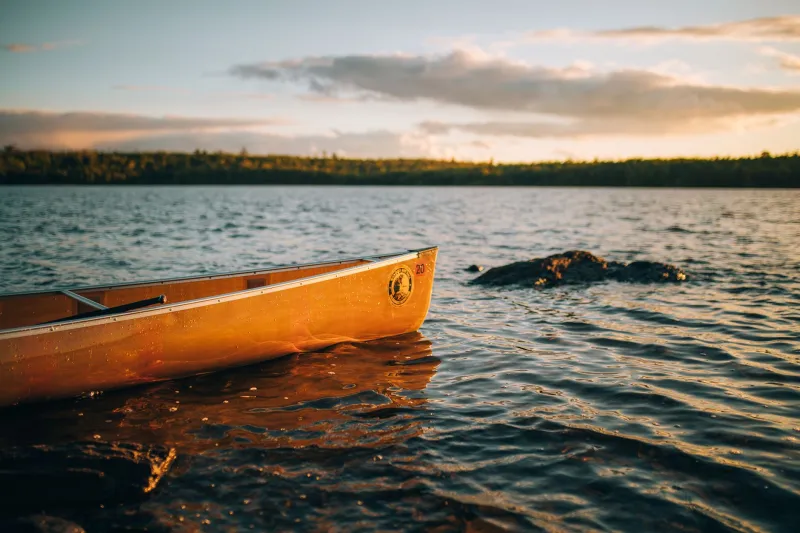
Wild rice — manoomin in Ojibwe — is perhaps the most iconic freshwater island ingredient in the Upper Midwest. Harvested from canoes in the shallow lakes and rivers of Minnesota and Wisconsin, it's a food with deep cultural, spiritual, and ecological significance. Some island restaurants are now sourcing wild rice directly from tribal operations, ensuring that the economic benefit flows back to the communities that have stewarded this resource for generations.
Fiddlehead ferns, ramps, elderberries, and various freshwater plants round out the wild ingredient palette available to island cooks willing to learn what's around them. A few chefs are partnering with local foragers — and in some cases, with tribal members who share traditional ecological knowledge — to incorporate these ingredients responsibly and respectfully.
What Eco-Conscious Travelers Should Know
If you're planning a freshwater island trip and you want to eat well and eat right, here are a few things worth keeping in mind.
Look for restaurants with transparent sourcing. The best island eateries will tell you exactly where your food came from — often with the kind of specificity that names the farm, the fishery, or the forager. If a menu doesn't mention sourcing at all, it's worth asking.
Visit during the shoulder seasons. Summer is when most island restaurants are firing on all cylinders, but early fall is when the harvest peaks and menus get truly interesting. You'll also deal with fewer crowds.
Don't overlook the general stores. On smaller islands, the local store is often carrying locally made preserves, smoked fish, and other artisan products that you simply cannot find anywhere else. Stock up.
Ask about community-supported fishery (CSF) shares. A growing number of freshwater island fishing operations offer CSF programs similar to CSAs — you buy in and get a regular share of the catch. Some of these ship, but the best way to participate is to show up in person.
A Different Kind of Food Story
The freshwater island food revolution isn't loud. It doesn't have a celebrity chef attached to it or a Netflix documentary (yet). It's happening quietly, in small kitchens on islands that most Americans couldn't find on a map.
But that's kind of the point. The chefs, farmers, and fishers building this scene aren't doing it to get famous. They're doing it because they love where they live and they want to feed people well, with integrity, using what the land and water around them provide.
For travelers willing to seek these places out, that's a rare and genuinely moving thing to experience. Pull up a chair, order the fish, and ask your server where it came from. Chances are, they'll have a story worth hearing.