Wings Over the Water: Your Guide to Birding America's Freshwater Island Flyways
There's a moment, if you're standing on the right freshwater island at the right time of year, when the trees above you seem to move on their own. Branches that were bare a minute ago are suddenly alive with warblers, thrushes, and tanagers — dozens of species all arriving at once, exhausted from a night of flying, desperate for food and rest. Birders call it a "fallout," and once you've seen one, nothing else quite compares.
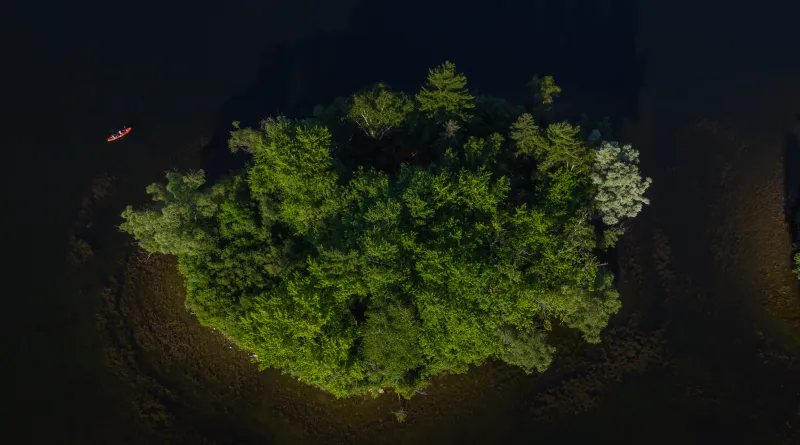
What makes these moments possible? Often, it's an island. Freshwater islands scattered across the Great Lakes, the Mississippi River system, and inland lakes throughout the US play an outsized role in bird migration — and most travelers have absolutely no idea they exist as birding destinations. That's a shame, because some of the most accessible and jaw-dropping wildlife experiences in North America are happening right in the middle of our own backyard waters.
Why Islands Matter So Much to Migrating Birds
Migration is brutal. Birds traveling from Central and South America to their northern breeding grounds need to refuel constantly, and they don't have a lot of margin for error. Islands in large freshwater bodies offer something that's surprisingly rare along migration routes: concentrated habitat surrounded by open water.
When a bird crosses a large expanse of water — say, Lake Erie or Lake Michigan — it's burning through energy reserves at a serious rate. The first patch of trees it encounters on the other side becomes critically important. If that patch happens to be on an island, the bird has no choice but to land there and rest. This is why small, seemingly unremarkable islands can host hundreds of species during peak migration windows, while nearby mainland areas with far more acreage see a fraction of the activity.
Orthologists refer to these locations as "migrant traps," and the freshwater island versions tend to be especially potent. The combination of geographic isolation, diverse shrubby habitat, and proximity to food-rich shorelines creates a perfect storm for bird activity.
The Great Lakes: North America's Migration Superhighway
If you're serious about freshwater island birding, the Great Lakes region deserves the top spot on your list. The lakes themselves act as barriers that funnel birds toward specific crossing points — and the islands clustered near those crossing points become legendary among birders.
Pelee Island in Lake Erie (accessible via ferry from Ohio and Ontario) is one of the most celebrated spring migration spots on the continent. During May, the island transforms into something resembling a living field guide. Over 300 species have been recorded here, and on a good fallout morning, you might tick off 30 new species before breakfast. American birders willing to make the ferry crossing are routinely rewarded with rare sightings that would otherwise require a trip to a far more remote destination.
Closer to home for Midwesterners, the islands of Lake Erie's western basin — including the Ohio archipelago around Put-in-Bay — offer accessible alternatives with strong migration activity from late April through early June. The combination of island habitat and the lake's southern shoreline creates a reliable concentration zone, especially for warblers.
In Lake Michigan, South Manitou Island draws birders who are willing to camp and explore on foot. The island's old-growth forests and meadows provide habitat diversity that supports an impressive variety of species during both spring and fall migration.
River Islands and the Mississippi Flyway
The Great Lakes aren't the only game in town. The Mississippi River flyway is one of the four major North American migration corridors, and the river's countless islands serve as stepping stones for birds moving north and south along its length.
Islands in the Upper Mississippi River National Wildlife and Fish Refuge — stretching through Minnesota, Wisconsin, Iowa, and Illinois — offer remarkable fall shorebird and waterfowl migration. Access varies by island, but the refuge's visitor centers can point you toward areas with public access and current migration reports.
Further south, the river's broader floodplain islands near Arkansas and Missouri become important wintering grounds for waterfowl, with some of the largest concentrations of ducks and geese you'll find anywhere in the interior US.
Timing Your Visit: The Migration Calendar
Showing up at the right island means nothing if your timing is off. Here's a rough framework for planning:
Spring (April–May): This is the premier window for songbird migration across the Great Lakes region. Warblers, vireos, flycatchers, and thrushes move through in waves. Target the last two weeks of May for peak warbler diversity.
Late Summer (July–August): Shorebird migration begins surprisingly early. Freshwater island mudflats and shorelines attract sandpipers, plovers, and other waders as they begin their southward journey.
Fall (September–October): Raptor migration peaks during this window. Hawks, falcons, and eagles funnel along lakeshores and island chains. Hawk watches set up on islands throughout the Great Lakes region to count thousands of birds in a single day.
Winter: Don't overlook the cold months. Some freshwater islands in the southern US host significant wintering populations of waterfowl, and northern islands near open water attract hardy species like snowy owls and rough-legged hawks.
Conservation and the Islands That Need Our Attention
Here's the part that matters beyond the life list: many of these critical stopover islands are under pressure. Invasive species, shoreline development, and climate-driven changes in migration timing are all affecting the quality of habitat that birds depend on.
Organizations like the American Bird Conservancy and local land trusts are working to protect and restore island habitats throughout the Great Lakes and Mississippi River systems. When you visit, your presence — and your dollars — can support that work. Choose eco-lodges and outfitters that contribute to conservation, participate in citizen science programs like eBird to help researchers track migration patterns, and follow Leave No Trace principles rigorously on sensitive island ecosystems.
eBird, maintained by the Cornell Lab of Ornithology, is genuinely invaluable for trip planning. You can search recent sightings by location, see what species are being reported on specific islands, and add your own observations to a dataset that scientists actually use. It's one of the easiest ways to make your birding trip contribute to something larger than your own life list.
Getting Started: Practical Tips for First-Time Island Birders
You don't need to be an expert to have a transformative experience. A decent pair of binoculars (8x42 is a solid all-around choice), a regional field guide, and the eBird app will get you surprisingly far. Island birding rewards patience — find a good spot near fruiting shrubs or a water source, stay quiet, and let the birds come to you rather than chasing them.
Ferry schedules and island access can be limited, so build flexibility into your itinerary. Migration doesn't follow a strict calendar, and the best days often come with little warning. If you can extend your trip by a day or two based on what the birds are doing, you'll dramatically increase your chances of hitting a fallout.
Most importantly, talk to locals. Island ferry operators, lighthouse keepers, and campground hosts often have sharper eyes than any field guide. They know when the warblers arrived, where the shorebirds are feeding, and which corner of the island is producing the most action on any given morning.
The birds have been using these inland water routes for thousands of years. We're just lucky enough to be able to show up and watch.