Do Nothing, Notice Everything: The Case for Radical Boredom on Freshwater Islands
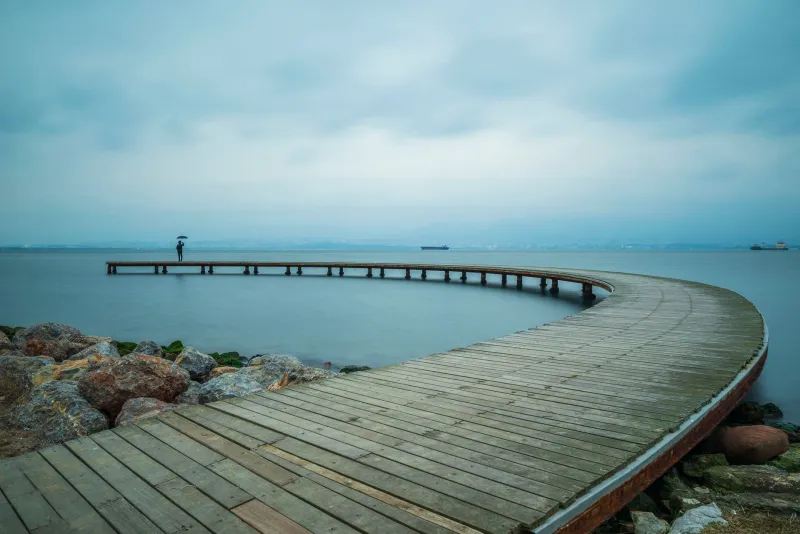
The first hour is the hardest. You have arrived on a freshwater island with a book, a water bottle, and no plan. The dock is empty. The wind is doing something small and repetitive. There is no museum to see, no trail you have to bag, no restaurant reservation to make. Your brain, trained by years of optimization, starts looking for the next thing. Then it runs out of next things. That is when the trip actually begins.
The checklist follows you onto the water
We are very good at turning leisure into homework. Even on an island, we ask: Did we hike the loop? Did we get the photo? Did we paddle to the far shore? Did we eat at the place everyone says to eat? None of that is wrong. Adventure has its place. But the checklist mindset has a way of following us across the ferry, onto the trail, and into the cabin. We end up collecting experiences instead of having them.
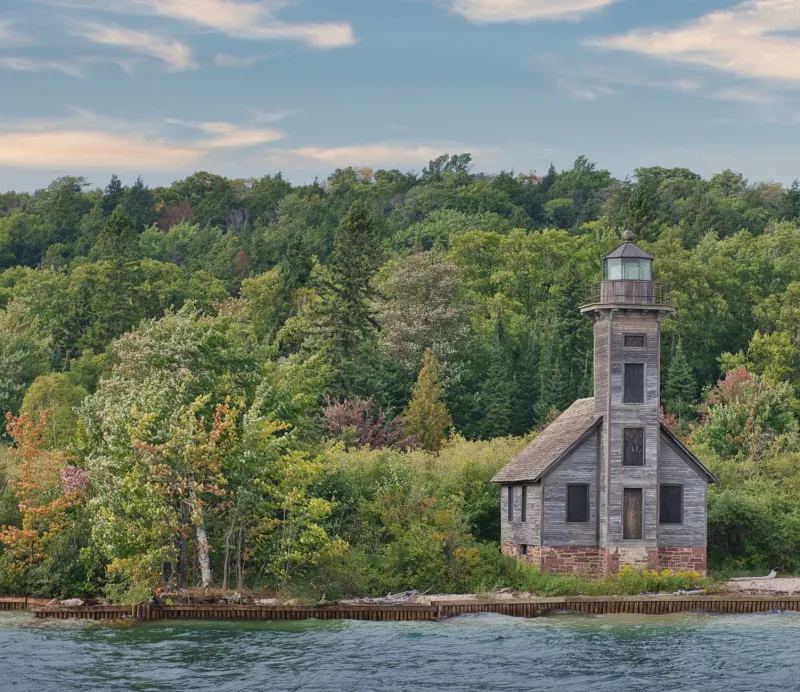
Freshwater islands are especially good at exposing this habit. They are often small. They are often quiet. They are not packed with attractions. A Lake Superior island might offer a lighthouse, a rocky beach, and a lot of weather. A Lake Champlain island might offer a ferry, a campground, and a view. If you arrive expecting a theme park, you will be bored in twenty minutes. If you arrive expecting nothing, you might stay bored for an hour and then become interesting to yourself again.
Boredom is a skill
There is a difference between dull boredom and radical boredom. Dull boredom is what happens when you are waiting for the fun to start. Radical boredom is what happens when you stop waiting. You sit on a rock and notice that the wind has shifted. You watch a cloud build over the water and then fall apart. You hear the dock creak in a rhythm you had not noticed. You start talking to the person running the dock because there is no one else to talk to, and it turns out they have lived there for thirty years and know exactly when the loons come back.
This is not a productivity hack. It is a reset. Attention is a muscle, and ours is tired. We spend our days scanning, scrolling, reacting. An island with nothing to do is a place where attention can stretch out and settle. You are not wasting time. You are recalibrating what time feels like.
The dock is the destination
The best conversations on freshwater islands happen at the dock, the general store, or the ferry landing. These are the places where locals and visitors actually mix. The person who ties up the boat knows which cove is wind-protected. The person behind the counter knows which trail is muddy and which one is worth the climb. The person waiting for the mailboat knows the name of the island you are planning to visit next.
Slow travel is not just about moving less. It is about being in the local economy rather than hovering above it. Buy the coffee. Ask a real question. Listen to the answer. Tip the ferry crew. If you are going to do almost nothing, do it in a way that supports the people who make the island livable year-round.
A small experiment for 2026
Try this on your next freshwater island trip: leave one full afternoon blank. No hike, no paddle, no museum. Pick a spot with a view and stay there for two hours. Bring a notebook, but do not force yourself to write. Bring a camera, but do not make it your job. Watch the light change. Watch the water change. Watch your own restlessness rise and fall.
The first thirty minutes may feel like a waste. The next thirty may feel like a gift. By the end, you may notice that you have actually seen the island, not just moved across it.
The radical part is the reset
There is a quiet politics to doing less. It pushes back against the idea that every place must be monetized, optimized, and turned into content. It treats public water and public islands as places for rest, not just recreation. It makes room for the people who live there to have a life that is not entirely shaped by visitors. And it gives us a chance to remember that we are not machines with legs.
So yes, bring the kayak. Bring the camera. Bring the ambitious plan if you must. But leave one day open. Sit on the dock. Let the weather happen to you. The freshwater island will not perform for you, and that is the point.